
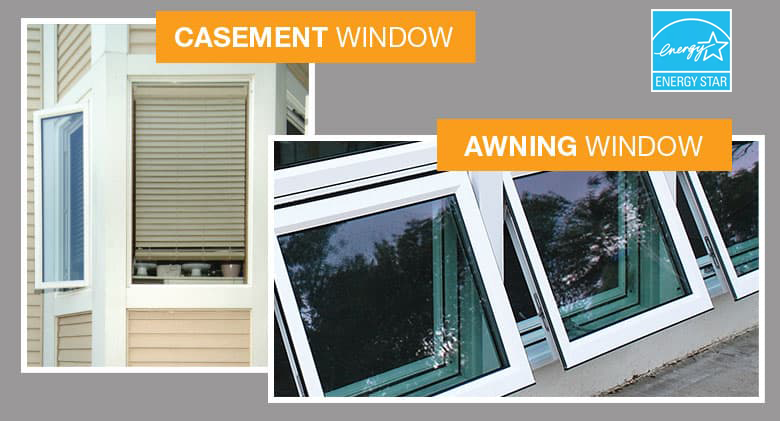
 Why Aluminum Casement Windows Fit Tampa: Casement windows open outward on a side hinge with a crank or lever. In Tampa, this makes them one of the most practical window styles. When open, a casement catches the breeze off the bay and directs it into the room much better than a sliding sash. When closed, the sash presses against the frame along all four sides, creating one of the tightest seals of any operable window. Pair that design with an aluminum frame, and you get a window that is slim, strong, and well suited to Florida’s heat, humidity, and hurricane season. This guide covers the styles available, what affects cost, and how to make sure your aluminum casement windows are as energy-efficient as they look.
Why Aluminum Instead of Vinyl: Aluminum is much stronger than vinyl for its weight. As a result, aluminum frames can hold larger panes of glass with narrower sightlines, which means more view and less frame. Aluminum also won’t warp or soften in the Florida sun, accepts durable powder-coat finishes in nearly any color, and handles the heavy laminated glass used in impact-rated windows. Vinyl still has advantages, especially lower upfront cost and natural insulation. For a full side-by-side comparison, see our guide to aluminum vs. vinyl windows. For modern homes, coastal properties, and commercial buildings, aluminum is often the better long-term choice.
Casement Styles to Consider: Aluminum casement windows come in several layouts. A single casement is one hinged sash, good for kitchens, bathrooms, and smaller openings. A double (French) casement places two sashes side by side that open from the center with no post in the middle, framing a wide view. Casement-and-fixed combinations pair one or two operable sashes with a large non-opening panel. This is a popular way to get a picture-window look while still allowing airflow; see our picture and fixed casement windows. Many Tampa homeowners also look at European tilt and turn windows, which open like a casement but can also tilt inward from the top for secure ventilation.
Hurricane Codes and Impact Ratings: Much of Tampa Bay sits within Florida’s wind-borne debris region. Replacement windows in those areas must either be impact-rated or protected by approved shutters. Impact-rated aluminum casement windows use laminated glass that stays in the frame even if it cracks, keeping wind and rain out of the house during a storm. Every window you choose should carry a Florida Product Approval or a Miami-Dade Notice of Acceptance (NOA) that meets the design pressure required for your address. Casements are a good choice for impact protection because the sash locks against the frame at multiple points. To learn how impact glass compares with storm panels, read storm shutters vs. impact windows and our overview of hurricane impact windows in Tampa.
Energy Efficiency in Florida’s Climate: Aluminum conducts heat, so how the frame is built matters. Look for thermally broken frames, which separate the inside and outside of the frame with a non-conductive barrier. This reduces heat transfer and helps prevent condensation on the interior frame. In Tampa, the glass matters even more than the frame. The key number is the Solar Heat Gain Coefficient (SHGC): the lower it is, the less of the sun’s heat gets into your home. Florida’s energy code sets strict SHGC limits for our climate zone, and a Low-E coated glass package keeps heat out while letting daylight in. Laminated impact glass also blocks most UV rays, which protects floors and furniture from fading. Casements help here too: their compression seal typically lets in less air than sliding windows, so your air conditioning works less.
What Affects the Cost: Aluminum casement windows usually cost more than single-hung or sliding windows of the same size. You are paying for the hinge and crank hardware, multi-point locks, and a frame built for outward-opening sashes. The biggest price drivers are window size, impact rating, glass package (Low-E, tinted, or laminated), frame finish or custom color, and whether you choose thermally broken frames. Removing old windows, repairing openings, and permit fees are separate project costs. A typical home project is best priced opening by opening, since one large casement-and-fixed combination can cost as much as several smaller windows. If you’re weighing a full upgrade, our guide to window replacement in Tampa explains how to plan the project and when replacement makes sense.
Care and Maintenance: Aluminum casements need little care, but Tampa’s salt air and humidity call for a simple routine. Rinse frames and tracks with fresh water a few times a year, especially near the coast. Lubricate the crank operator and hinges once a year, and check the weatherstripping for wear. Powder-coat and anodized finishes resist corrosion far better than bare aluminum, so they are worth choosing for homes close to the water.
Is an Aluminum Casement Right for You? Aluminum casement windows are a strong choice if you want maximum ventilation, a tight seal for energy savings, slim modern frames, and hurricane protection in a single unit. Because the sash swings outward, they are less suited to openings that face walkways, porches, or pool decks where an open sash could get in the way. Sliding or impact single-hung windows can work better there. Most homes end up with a mix of styles. Explore our full range of aluminum windows and casement windows.
Get a Quote on Aluminum Casement Windows in Tampa: EuroChoice Windows & Doors supplies aluminum, impact-rated, and European-style windows to homeowners, builders, and contractors across Tampa Bay. Our team can help you choose styles, glass packages, and product approvals for your project. Call (727) 510-1701 or contact us online for a free estimate.