

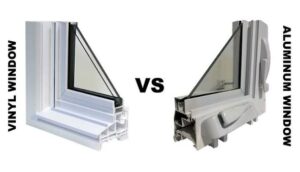
 Choosing between aluminum and vinyl windows is one of the most common questions we hear from Florida homeowners. Both materials have loyal followings, but Florida’s climate — intense heat, high humidity, salt air, and hurricane-force winds — puts unique demands on window frames that not every material handles equally well.
Strength & Durability: Aluminum is significantly stronger than vinyl, which is why it’s the preferred frame material for large impact-rated windows, storefronts, and high-wind-zone installations. Vinyl frames can warp or sag over time in extreme heat, while aluminum holds its shape and structural integrity for decades.
Slim Sightlines, More Glass: Because aluminum is stronger, frames can be built thinner while still meeting impact standards — giving you more glass area and better views for the same window opening. Vinyl frames typically need to be bulkier to achieve comparable strength.
Thermal Break Technology Explained: A common misconception is that aluminum automatically transfers more heat than vinyl. Modern aluminum windows use a thermal break — a strip of non-conductive material, often polyamide or polyurethane, inserted between the interior and exterior faces of the frame. This interrupts the direct metal-to-metal heat path, closing much of the efficiency gap with vinyl while retaining aluminum’s structural advantages. Always ask whether an aluminum product includes a thermal break before comparing it to vinyl on energy performance alone.
Hurricane & Impact Performance: When it comes to meeting Florida’s impact standards, aluminum’s strength advantage really shows. Most large-format impact windows and commercial-grade impact doors use aluminum framing because it can withstand the design pressures required in wind-borne debris zones without needing an oversized, bulky frame. For more on what those requirements involve, see our guide to hurricane impact windows in Florida.
Cost: Vinyl windows are generally less expensive upfront, making them a popular choice for budget-conscious residential replacements. Aluminum typically costs more but delivers a longer lifespan and better performance in impact-rated and commercial applications — often making it the better long-term value despite the higher initial price.
Maintenance & Lifespan: Both materials are low-maintenance compared to wood, but aluminum tends to outlast vinyl in Florida’s coastal climate, especially with a quality powder-coat finish that resists salt air corrosion. Vinyl can become brittle over many years of intense UV exposure, while a well-finished aluminum frame maintains its color and structural integrity for the long haul.
Commercial Applications: For storefronts, offices, and multi-family buildings, aluminum is virtually the industry standard. Its strength allows for the large glass spans and slim vertical mullions that commercial architecture demands, while still meeting Florida’s impact and wind-load codes. Explore our commercial windows and storefront wall systems for examples.
Long-Term Value & Resale: Because aluminum frames typically last longer and perform better in coastal conditions, they can be a stronger selling point when it’s time to list your home — particularly paired with documented impact ratings and insurance-discount eligibility.
Weight & Structural Considerations: Aluminum’s strength-to-weight ratio also matters for larger openings. Big picture windows, sliding glass doors, and oversized openings put more stress on a frame, and aluminum handles that load with a slimmer profile than vinyl can typically achieve at the same size — an important factor if your project includes large glass features.
Sound Insulation: Neither material is inherently better for sound insulation on its own — the glass package (thickness, lamination, and air gap) does most of that work. That said, aluminum’s tighter tolerances and compression seals in impact-rated designs can edge out comparable vinyl products for keeping outside noise at bay, particularly in busy or coastal areas of Tampa Bay.
Color & Finish Options: Aluminum frames can be powder-coated in a wide range of custom colors and finishes to match your home’s exterior, and that finish holds up well against Florida’s intense sun over many years. Vinyl frames are typically limited to a smaller range of factory colors, most commonly white or tan, since the color is baked into the material itself rather than applied as a coating.
Environmental Considerations: Aluminum is highly recyclable, and much of the aluminum used in window manufacturing today includes recycled content. Vinyl (PVC) is durable but less commonly recycled at end-of-life, which is a consideration for homeowners weighing the long-term environmental footprint of their materials.
A Note on Condensation: Both aluminum and vinyl can experience condensation on the interior glass surface during Florida’s humid months, particularly when indoor air conditioning meets warm, moist outdoor air at the glass. This is a normal function of temperature difference rather than a product defect, and it’s more closely tied to glass package and installation quality than frame material alone. A properly sealed, well-installed window of either material should minimize this effect.
Our Recommendation: For coastal properties, impact-rated installations, large glass openings, and homes prioritizing long-term durability, aluminum is typically the stronger investment. For budget-driven residential replacements away from the coast, vinyl remains a solid, cost-effective option.
EuroChoice Windows & Doors offers both aluminum windows and vinyl windows, along with matching aluminum doors. Contact us or call (727) 510-1701 and we’ll help you choose the right fit for your home and budget.
Related Reading: Aluminum & Casement Windows in Tampa, FL: Styles, Costs & Energy Efficiency