
 Every hurricane season, Florida homeowners are reminded of how important it is to protect their homes from high winds and flying debris. Impact windows are one of the most effective investments you can make — not just for storm protection, but for year-round security, noise reduction, and energy savings.
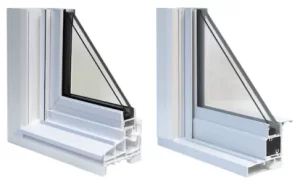
What Makes a Window “Impact”? Impact windows use laminated glass with a durable interlayer bonded between two glass panes, set into a reinforced frame. When struck by debris, the glass may crack but stays bonded to the interlayer instead of shattering inward — keeping your home’s envelope intact during a storm.
Florida Building Code Requirements: Homes in wind-borne debris regions, including most of the Tampa Bay area, must meet strict impact standards under the Florida Building Code. Products need to be tested and rated for both large and small missile impact, as well as specific design pressure (DP) ratings based on your home’s location and elevation.
How Design Pressure (DP) Ratings Work: A DP rating measures how much wind pressure a window or door can withstand before failing, factoring in both positive pressure (wind pushing in) and negative pressure (wind pulling out, which creates suction on the leeward side of your home). Your required DP rating depends on your home’s exact location, height, and exposure category — a beachfront condo in a high-rise needs a very different rating than an inland single-story home a few miles away. A qualified installer will calculate this for your specific address before recommending products.
Impact Windows vs. Hurricane Shutters: Removable or roll-down shutters can offer storm protection at a lower upfront cost, but they only work when deployed — leaving your home unprotected the rest of the year, and requiring someone to be present (or a motorized system) before every storm. Impact windows provide permanent, no-maintenance protection around the clock, plus year-round benefits shutters can’t match, like noise reduction and unobstructed views.
Protection Beyond Storms: Impact windows offer benefits every day of the year — they significantly reduce outside noise, block harmful UV rays that fade furniture and flooring, and add a serious layer of security against break-ins since the same glass that resists a 2×4 at 34 mph also resists a crowbar.
Choosing the Right Frame Material: Impact-rated glass needs a frame strong enough to stay anchored to your home’s structure under extreme pressure. Aluminum is the most common choice for impact-rated products because of its strength-to-weight ratio, though the right material also depends on your budget and application — see our comparison of aluminum vs. vinyl windows for a full breakdown.
Insurance Savings: Many Florida insurance providers offer meaningful premium discounts for homes with certified impact windows and doors, since they reduce the risk of wind and water damage claims. Ask your provider what documentation they require — typically the product’s NOA (Notice of Acceptance) number and proof of professional installation.
Residential vs. Commercial Impact Protection: Impact protection isn’t just for homes. Commercial properties throughout Tampa Bay rely on impact-rated storefront systems and entry doors to protect inventory, equipment, and foot traffic during storm season while maintaining an inviting, glass-forward storefront appearance.
What to Look For: Not all “impact-rated” products are equal. Look for products tested to Miami-Dade County’s NOA standards — among the strictest in the country — along with proper installation by a licensed, insured contractor familiar with local permitting requirements.
Documentation to Keep: After installation, hold onto the product’s NOA number, the manufacturer’s specification sheet, and your final inspection approval. You’ll need these documents for insurance discount applications, and for future home sales, since buyers and their insurers increasingly ask for proof of impact-rated protection before closing.
Life Expectancy of Impact Windows: A properly installed, quality impact window can last 20 years or more with minimal maintenance — occasional cleaning of the frame and track, along with periodic checks of the weatherstripping and hardware. Unlike shutters, there are no moving parts to store, deploy, or maintain between storms, which is part of why many homeowners see them as a lower-hassle, longer-term solution.
After the Storm: One advantage that often gets overlooked: because impact glass stays intact even when cracked, your home retains its weatherproof envelope immediately after a storm passes, rather than being exposed to rain and wind through a shattered opening. This can meaningfully reduce secondary water damage compared to homes protected only by shutters, where a failure still leaves bare glass exposed underneath.
Planning the Upgrade: Because a full-home impact window upgrade is a significant investment, many homeowners phase the project — starting with the most exposed elevations of the home, such as street-facing or waterfront walls, and completing the remaining openings over subsequent seasons.
Don’t Wait Until Storm Season: Impact window installation takes time to measure, order, and complete correctly. The best time to upgrade is well before hurricane season begins, not when a storm is already in the forecast.
EuroChoice Windows & Doors installs certified impact-resistant doors, storefront wall systems, single hung, and horizontal slider impact windows throughout Tampa Bay. Contact us or call (727) 510-1701 for a free storm-readiness assessment.