

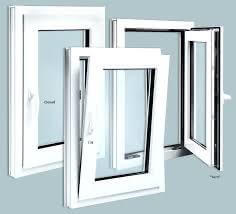
 If you’ve been researching European-style windows, you’ve likely come across tilt and turn windows — one of the most versatile and secure window styles available today. Originally developed in Europe, this dual-function design has become increasingly popular with Florida homeowners looking for better ventilation control, easier cleaning, and a sleek, modern look.
What Are Tilt and Turn Windows? A tilt and turn window operates two ways from a single handle. Turn the handle one way and the window tilts inward from the top, creating a secure gap for ventilation without fully opening the window. Turn the handle the other way and the entire window swings open like a door, giving you full access for cleaning or emergency egress. This dual-action hardware is built into a multi-point locking mechanism hidden inside the frame, so the same handle that opens your window also secures it.
Better Ventilation Control: The tilt position lets fresh air circulate through your home while keeping the opening narrow enough to deter intruders and keep out rain during Florida’s frequent afternoon storms. You can dial in exactly how much airflow you want without worrying about a sudden downpour soaking your floors.
Effortless Cleaning: Because the window swings fully inward in turn mode, you can clean both sides of the glass from inside your home — no ladder required, even on second-story installations. This is a major advantage for condos, townhomes, and any property where exterior access is limited or risky.
Enhanced Security: Tilt and turn windows use multi-point locking systems that engage at several points around the frame, making them significantly harder to force open than a standard single-hung or sliding window. Combined with laminated, impact-rated glass, a tilt and turn window can offer some of the strongest resistance to forced entry of any residential window style on the market.
Energy Efficiency: The compression seal used in tilt and turn windows creates an exceptionally tight seal when closed, reducing air infiltration and helping keep cooling costs down during Florida’s long, hot summers. The seal compresses evenly around the entire frame rather than relying on a single sliding track, which tends to wear and loosen over time.
Tilt and Turn vs. Traditional Window Styles: Compared to a single hung window, which only opens vertically and typically ventilates less of the opening, a tilt and turn window gives you full control over airflow without sacrificing security. Compared to a casement window, which cranks outward and can be damaged by high winds if left open, the tilt and turn design keeps the sash fully protected within the frame footprint even in blustery conditions.
Impact-Rated Tilt and Turn Options: For homeowners in wind-borne debris zones, tilt and turn windows can be manufactured with laminated impact glass to meet Florida Building Code requirements — giving you European engineering and hurricane protection in a single product. If storm protection is your top priority, our guide to hurricane impact windows in Florida covers what to look for in impact-rated glass and framing.
Installation Matters: Tilt and turn hardware relies on precise alignment to function smoothly for years. A frame that’s even slightly out of square can cause the sash to bind, the seals to fail early, or the locking points to disengage. Professional installation by a team experienced with this hardware isn’t optional — it’s the difference between a window that operates smoothly for decades and one that needs constant adjustment.
Where They Work Best in Your Home: Tilt and turn windows are a natural fit for bedrooms and living areas where you want reliable ventilation without leaving the home exposed while you sleep or step out. They’re also popular in kitchens above counters and sinks, where the tilt position offers ventilation in a spot that’s otherwise awkward to reach for cleaning with a traditional swinging or sliding sash. In multi-story homes, they’re frequently chosen for upper floors specifically because of how easily they clean from inside.
Color and Finish Options: Because tilt and turn frames are most commonly built in aluminum or uPVC, homeowners have a wide range of finish options — from classic white and bronze to custom powder-coat colors that match a home’s exterior palette. A quality powder-coat finish also adds a layer of protection against Florida’s intense UV exposure and salt air, helping the frame hold its color for years without fading or chalking.
Noise Reduction: The same compression seal that makes tilt and turn windows so airtight also makes them excellent at blocking outside noise. For homes near busy roads, airports, or commercial corridors in the Tampa Bay area, this is often an underrated benefit that homeowners only fully appreciate after installation.
Comparing Costs: Tilt and turn windows generally sit at a higher price point than standard single or double hung windows, reflecting their more complex hardware and typically higher-quality European manufacturing. Many homeowners choose to install them selectively — in bedrooms, bathrooms, or street-facing rooms where the added security and ventilation control matter most — rather than throughout the entire home, balancing performance with budget.
Ideal for Florida Homes: Tilt and turn windows are especially well suited to coastal properties, condos, and homes where easy interior cleaning and controlled ventilation matter most. They also pair well with impact-rated glass for homes in wind-borne debris zones, and their slim European profiles complement both modern and traditional Florida architecture.
At EuroChoice Windows & Doors, we install premium tilt and turn windows throughout the Tampa Bay area, custom-fit to your home. Contact us or call (727) 510-1701 to schedule a free consultation.